Agentic AI: What It Is and Why It's the Future Beyond Chatbots
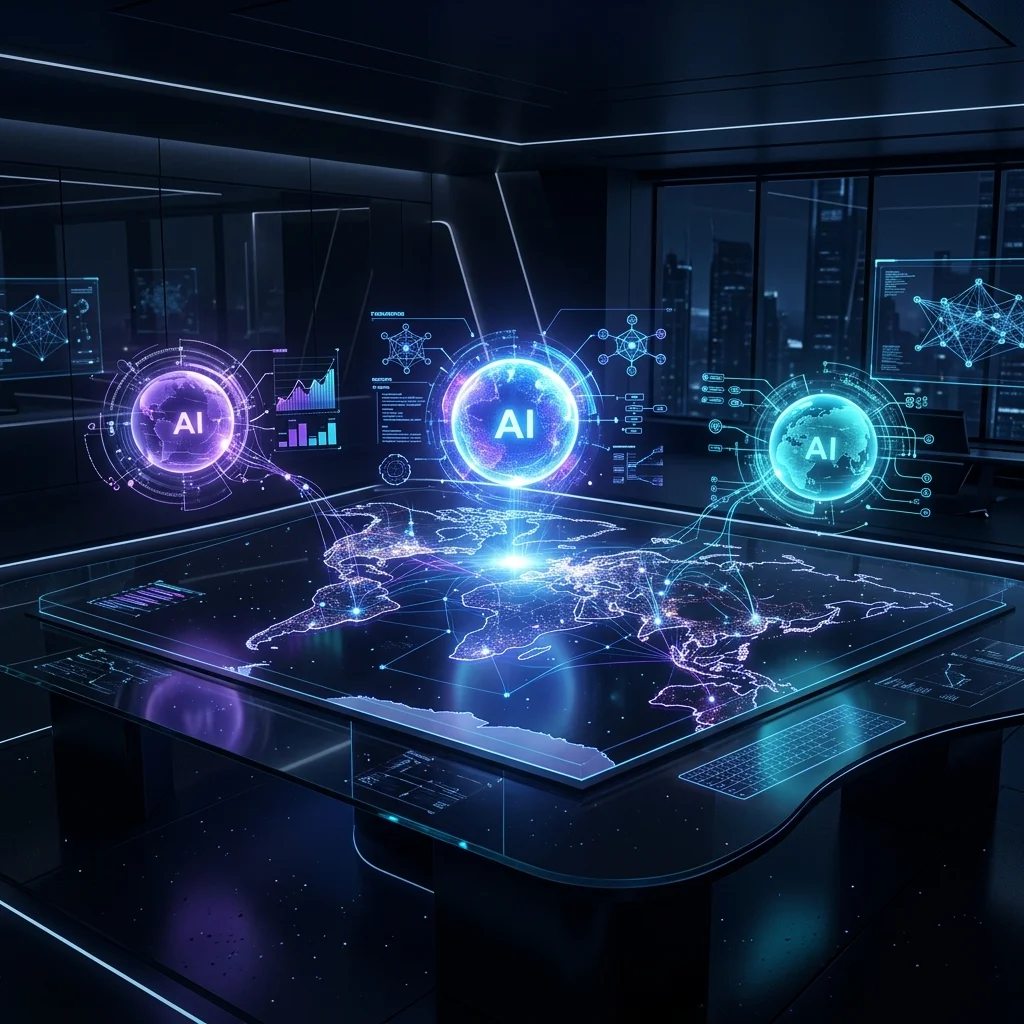
If you've spent the last few years chatting with ChatGPT or Claude, you're used to asking for something and getting a response. But in 2026, the game changed. Agentic AI doesn't just want to talk to you. It wants to work for you.
From Passive Assistants to Active Agents
Until recently, AI was passive. You provided a prompt, and it generated text, code, or images. If you needed something complex, like planning a trip or auditing code, you had to guide the model step by step. Agents change this logic.
An AI agent, like the new GPT-5.5 or Claude 4.7 models, has reasoning and planning capabilities. This means you give it a final goal, and the AI decides which tools to use, in what order, and how to fix errors along the way. In practice, it stops being a "fancy parrot" and becomes an autonomous coworker.
How Does Agentic AI Work in Practice?
Unlike a common chatbot, an agentic system operates in cycles. First, it analyzes your request and breaks it down into small sub-tasks. Then, it uses external tools, like browser access, coding terminals, or APIs from companies like AWS and Google Cloud.
The key point is self-correction. If the agent tries to execute code and receives an error, it doesn't stop or ask what to do. It reads the error log, understands the failure, and tries a different approach until it completes the task. Companies like EY already use these systems to perform global financial audits, which used to take weeks, now completed in just a few hours.
Why Does This Matter for 2026?
The shift to agents is considered the biggest technological leap since the first iPhone launch. We're moving from the "search" era to the "execution" era. By mastering tools like NVIDIA's Agentic Framework or the native capabilities of Gemini 3, professionals and companies achieve unprecedented productivity scales.
The future is no longer about knowing which question to ask the AI, but rather knowing which goal to delegate for it to achieve independently. Autonomy is the keyword defining today's technology, and understanding this flow is the first step to staying ahead in this new phase of digital automation.
This content was created and reviewed by our team (iatoskill.com), if you find any issues, please reach out to us