Transmission Line Failure Knocks Out 3 GW of AI Data Centers
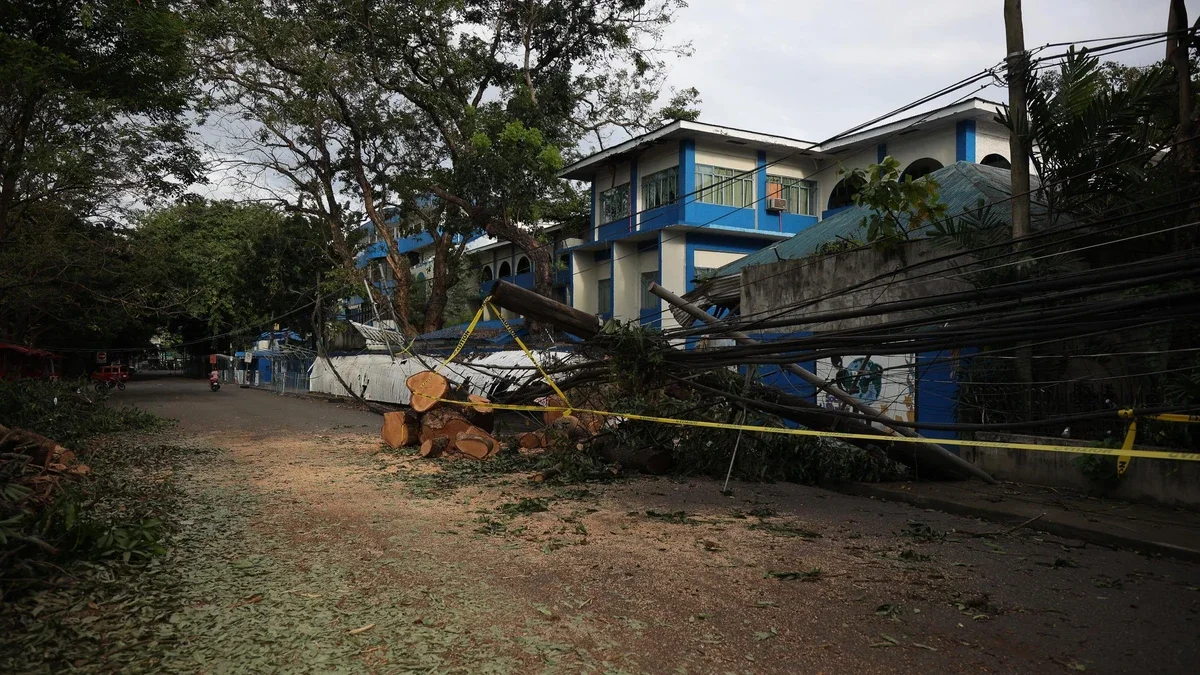
Denniz Futalan / Pexels
In a major and decisive physical infrastructure incident that exposes the extreme vulnerability and excessive centralization of the logical hubs underpinning cloud computing in the United States, the rupture of a single high-voltage transmission line triggered a cascading failure of over three gigawatts (GW) of active AI data center capacity. The outage occurred near Washington, D.C., directly affecting the Northern Virginia data hub.
Sudden Shutdown and Loss of Training Workloads
The physical and operational security incident took place on July 25, 2026 (UTC). The failure of a power cable at a large supply substation caused severe frequency fluctuations across the entire regional power grid. The sudden electrical problem forced the automatic and preventive shutdown of thousands of racks of high-performance analytical servers dedicated exclusively to training large language models.
According to operational reports shared by engineers and audited by the federal infrastructure agency CISA, the interruption lasted just over ten minutes. However, the brief disconnection was enough to invalidate hours of continuous processing in active AI training clusters, forcing systems to roll back to previous checkpoints in local databases.
Vulnerability and Power Concentration in Northern Virginia
The Northern Virginia hub is considered the largest physical concentration of data centers on the planet, handling about seventy percent of the world's daily network traffic. Local attractiveness stems from tax incentives and easy access to stable power lines. However, the massive concentration of superclusters with enormous energy demand severely strains the local utility's transmission infrastructure.
The immediate incident reignited urgent regulatory debates in the US Congress about supply security and the need for regional diversification of data centers. Promoting new decentralized facilities is considered a priority to protect computing services against extreme weather events or infrastructure accidents that could paralyze digital service production for global corporations.
Competition and Protection of Logical Hubs
The physical server interruption directly affected the development flows of advanced algorithms. The stability of server networks is crucial to ensuring operations and safeguarding the businesses of big techs and agencies actively competing in the market, represented by corporate systems from Microsoft, search engine platforms from Google, and modeling labs from OpenAI.
High-Speed Network Switches and Stable Backplanes in Data Centers
Rapid recovery of three-gigawatt superclusters after abrupt shutdowns requires high-speed connections and ultra-high-performance optical network switches to resynchronize databases and processing nodes. Data traffic and rapid workload reconfiguration depend on optical switches designed by specialized physical network engineers, such as semiconductor manufacturer Broadcom. The lowering cost of local optical switches reduces the power consumption of partner entities' computers.
The electrical outage will guide new physical security policies and shape construction decisions for future data centers in the coming energy transition years. Infrastructure resilience of cables and substations becomes the decisive factor for technological data sovereignty.
This content was created and reviewed by our team (iatoskill.com), if you find any issues, please reach out to us