China Designates AI and Robotics as New Economic Drivers
KJ Brix / Pexels
In a major and decisive shift in its macroeconomic policies of state-driven development aimed at shielding its production from international trade restrictions, the Beijing government has officially announced the definition of its new triad of export and technological development engines. Minister of Science and Technology Yin Hejun confirmed that priority support will focus on the integrated development of hyperscale artificial intelligence, advanced robotics, and innovative drug discovery.
The Historical Evolution of China's Industrial Triads
The announcement reflects the gradual phasing out of previous manufacturing cycles and marks the transition of the world's second-largest economy toward high-value-added services under the multilateral cooperation parameters promoted by the APEC. In past decades, the first industrial and manufacturing trio (comprising textiles, wooden furniture, and home appliances) established the Asian country's productive sovereignty based on low-cost, labor-intensive work.
In recent years, the economy saw the consolidation of the so-called second trio (electric vehicles, lithium batteries, and photovoltaic solar panels), whose trillion-dollar exports drove the global green transition. However, heavy tariff surcharges imposed in the West motivated the design of the new strategic trio, which now focuses on fostering logical data systems and mobile agent hardware.
Impressive Growth Indicators at the Half-Year Mark
The acceleration momentum of the new industrial pillars is supported by robust statistical metrics compiled at the half-year close. In the artificial intelligence sector, domestic demand for data infrastructure recorded a significant jump of 30.93% month-over-month. The volume of token calls on local language models reached a record 36 trillion in a single measurement week.
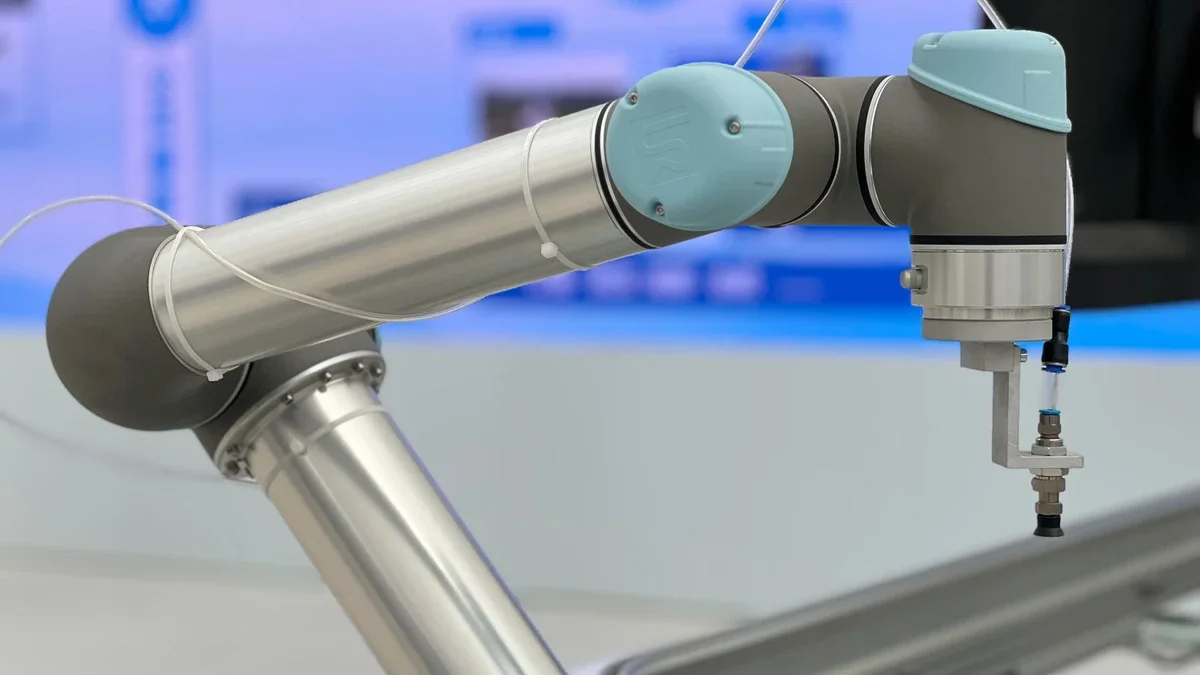
In the advanced robotics segment, exports reached 6 billion yuan in the first half of the year, reaching 141 importing countries and regions in the international market. The major commercial highlight was the foreign sale of high-precision surgical robots, whose sales volume rose 3.3 times. AI-driven synthetic drug discovery and international licensing moved about $110 billion.
The Geopolitical Rivalry for Control of Intelligent Software
The consolidation of the new Asian development guideline intensifies the competitive race for control of the advanced algorithms market. The subsidized offering of sovereign cloud processing power serves as a direct counterweight to the commercial hegemony of brands in the United States. Asian companies seek to break technological dependence on closed processing systems operated by Microsoft, search engine Google, and OpenAI's corporate platforms.
High-Speed Network Switches and Stable Backplanes in Data Centers
Orchestrating the massive traffic of AI token calls and managing supercomputer servers in the cloud require stable physical connections and fast optical network switches in data centers of network providers. The high-speed traffic of these analytical networks depends on processors and optical switches designed by specialized physical network designers, such as semiconductor manufacturer Broadcom. The electrical cost reduction of optical switches lowers the power consumption of partner companies' computers.
The planned transition to the new industrial trio will guide investments in cutting-edge advanced technology and dictate the trade rules of the international cooperation bloc for the next ten years.
This content was created and reviewed by our team (iatoskill.com), if you find any issues, please reach out to us