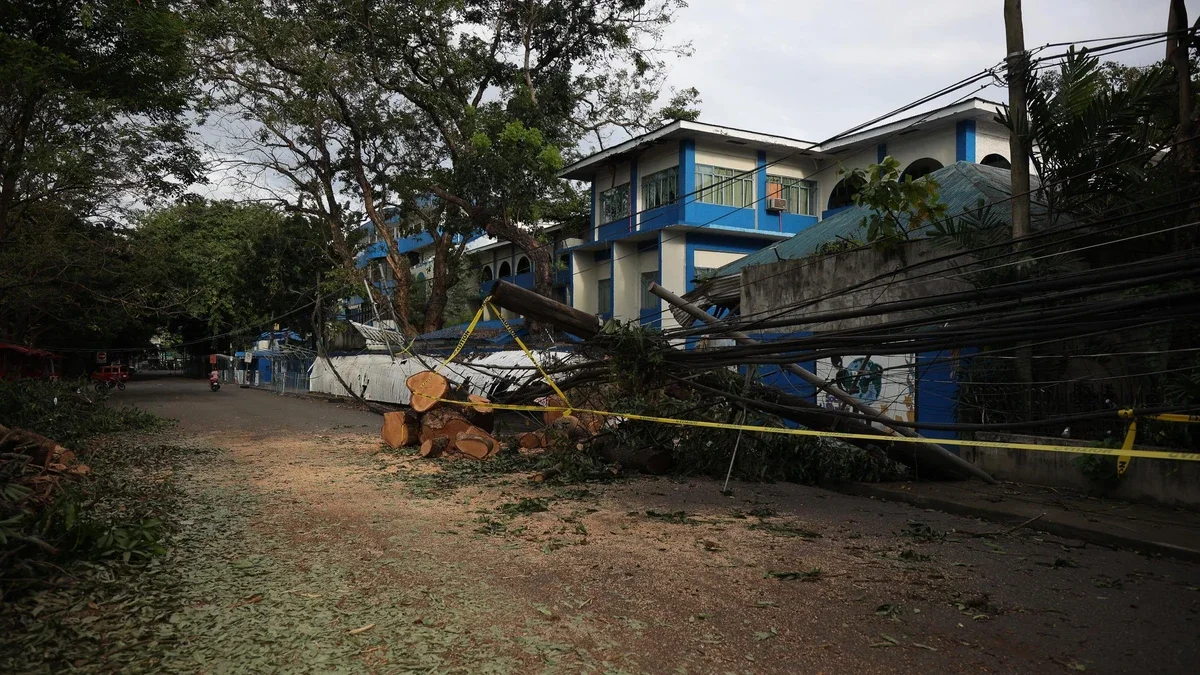
Meta Boosts Hyperion Supercluster Investment to $50 Billion
Pok Rie / Pexels
In a major and decisive physical expansion step that intensifies the infrastructure race and reshapes the industrial energy supply for computing in the United States, Meta has officially announced a budget and scale expansion for its main artificial intelligence supercluster, dubbed Hyperion. The facility is located in Richland Parish, Louisiana.
Monstrous Five-Gigawatt Capacity
The primary focus of the expansion is to boost the campus's net computing potential to a final capacity of five gigawatts. The physical implementation timeline expects the first two gigawatts of processing to be operational and connected around the year 2030. Full completion of the physical infrastructure for the server and accelerator complex is planned for 2032.
As a direct result of the scale-up and the purchase of next-generation logic processors, the total planned budget for the project has jumped to over fifty billion dollars. This figure represents an astronomical leap from the previous estimates of twenty-seven billion dollars. Analysts point out that if the unit cost of AI chips, such as the Blackwell GPUs manufactured by Nvidia, is added to the civil works budget, the consolidated capital expenditure (Capex) for the complex could reach two hundred and fifty billion dollars.
Self-Sufficient Power Supply and New Physical Lines
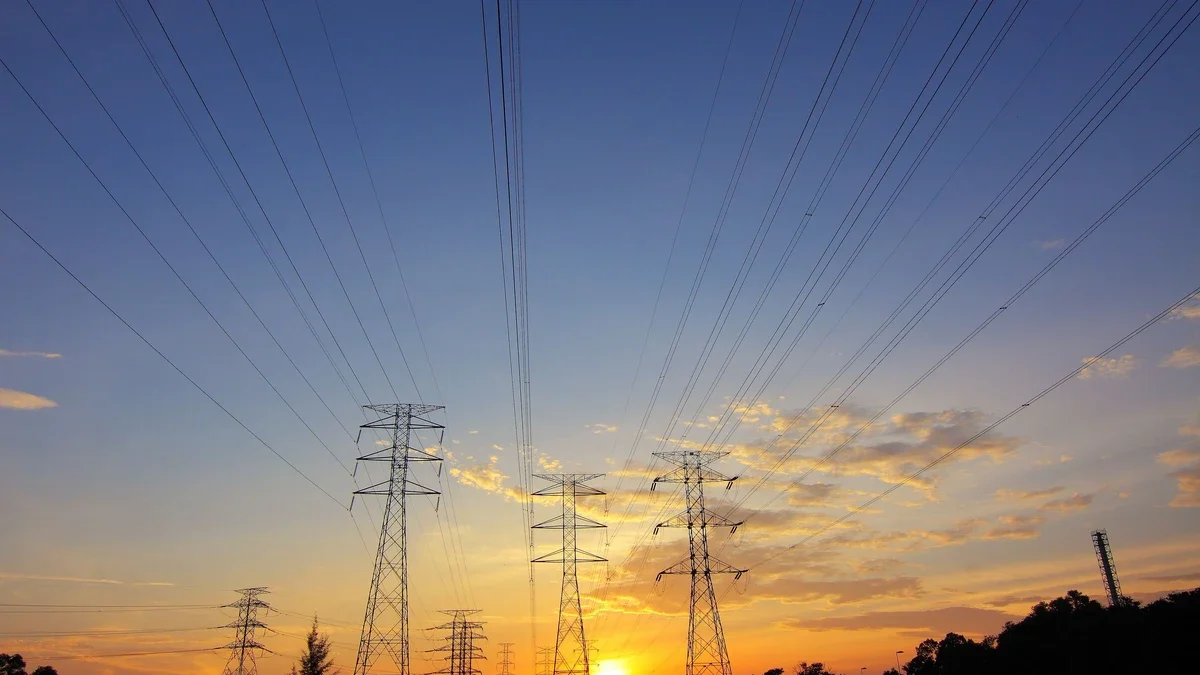
To support the monstrous energy demand and avoid destabilizing the local public power grid, Meta will work in close technical collaboration with utility Entergy Louisiana. The plan calls for the immediate construction of new dedicated natural gas thermal plants and extensive solar photovoltaic farms. Integrating the campus with these generation sources will require the physical installation of more than one hundred miles (one hundred sixty kilometers) of new overhead high-voltage transmission lines.
The grandeur of the data campus has generated significant economic returns for the Richland Parish community. Tax revenues from the civil works have funded exceptional salary bonuses of up to fifty thousand dollars for local public school teachers. Additionally, the project has distributed over one point six billion dollars in direct service contracts to Louisiana engineering firms since excavations began in December 2024.
The Capex Infrastructure Race Against Competitors
The trillion-dollar scale of Project Hyperion serves as a direct counterbalance to the infrastructure efforts of Meta's competitors in the global artificial intelligence market. Founder Mark Zuckerberg's company aims to shield its operations and reduce computing bottlenecks against rivals and the hyperscale cloud servers controlled by Microsoft, search engine Google, and the neural data centers of developer OpenAI.
High-Speed Network Switches and Stable Backplanes in Data Centers
Interconnecting and securely orchestrating a massive five-gigawatt infrastructure of logic accelerators requires highly efficient data centers equipped with stable backplanes and ultra-fast network switches. Traffic and internal data networks rely on optical switches designed by specialized physical network engineers, such as semiconductor manufacturer Broadcom. The lowering cost of local optical switches reduces the power consumption of partner companies' computers.
The deployment of these new infrastructure resources will shape technological development in the coming years. Cutting-edge technology will dictate the speed at which new artificial intelligence models are developed in the global market.
This content was created and reviewed by our team (iatoskill.com), if you find any issues, please reach out to us