Microsoft and Databricks Expand Partnership Focused on Cobalt Chip
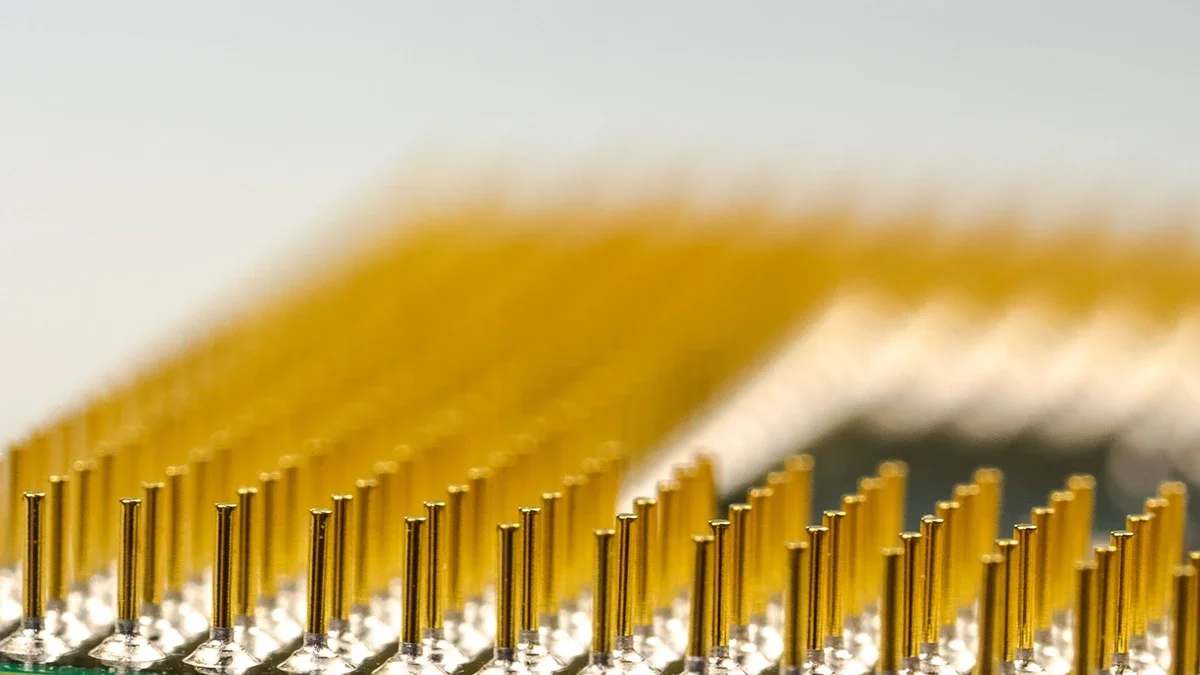
Pixabay / Pexels
In a major strategic and commercial step that promises to deeply shape the physical architecture of data processing and artificial intelligence for large global corporations, software giant Microsoft and data platform provider Databricks today officially announced a major expansion of their market alliance. The new agreement extends the companies' joint work into the 2030s.
Large-Scale Adoption of Custom ARM Silicon
The central pillar of the new long-term partnership lies in Databricks' large-scale adoption of the custom silicon ecosystem based on ARM architecture internally designed by Azure's owner. The company will significantly increase the processing of its heavy analytical workloads and AI agent flows using the physical infrastructure of Azure Cobalt chips in cloud servers.
Although the data analytics company currently uses infrastructure based on the Cobalt 100 processor, the new supply contract provides for a direct and large-scale migration to the new next-generation Cobalt 200 processing chips. According to specifications and operational tests officially released by the manufacturer in the United States, the new processor delivers up to fifty percent more raw performance and incorporates physical memory encryption by default.
Native Integration of the Genie Analytical Tool
As a commercial counterpart, the Windows developer will drastically deepen the integration of Databricks' logical artificial intelligence capabilities into its own business tool suites. The main highlight of the integration will be the Genie tool, an analytical conversational assistant and automated coworker. Genie and the Unity AI Gateway will be natively integrated into Microsoft 365, Teams, Copilot, and Power BI.
The companies' shared strategic focus is to enable corporate customers to build and deploy autonomous artificial intelligence agents that operate based solely on their own internal data and governance guidelines. The integration prevents corporations from needing to make fragmented connections with external APIs from other intelligent ecosystems, such as those maintained by competitor OpenAI, reducing the risks of fiscal data leakage.
Fierce Competition at the Top of Cloud Computing
The billion-dollar deal drastically intensifies the race for dominance in the corporate computing and high-performance intelligent database market. The alliance seeks to shield the customer base of the Azure ecosystem from commercial forays by industry rivals, primarily represented by search engine Google and its respective integrated tools. Sovereignty in proprietary silicon helps reduce operational costs for Big Techs in the market.
Stable Optical Physical Network Connectivity and Fast Switches
The simultaneous operation of thousands of processing instances and the movement of petabytes of structured analytical records in real time require fast integrated physical buses and extremely efficient network switches in load support. Physical interconnection and traffic depend on network controller chips and high-speed switches designed by semiconductor leaders, such as manufacturer Broadcom. The lowering of local optical interface costs optimizes corporate processing and reduces electrical consumption of datacenters.
This content was created and reviewed by our team (iatoskill.com), if you find any issues, please reach out to us