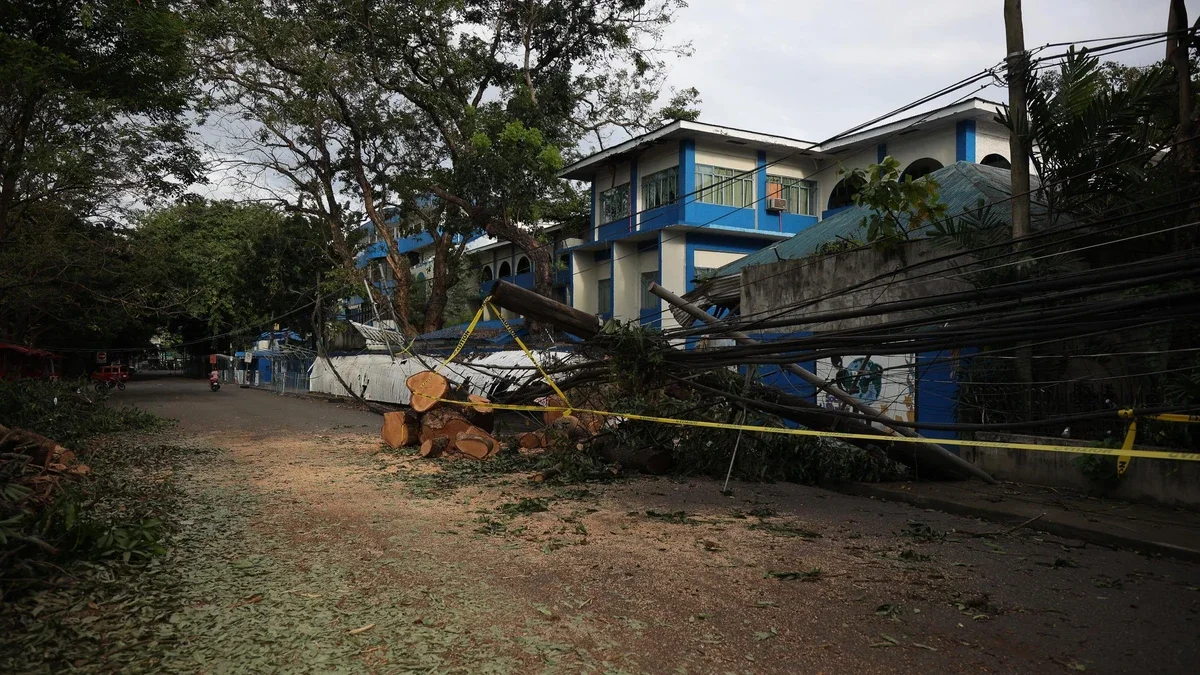
OpenAI Plans to Spend $750 Billion on Infrastructure
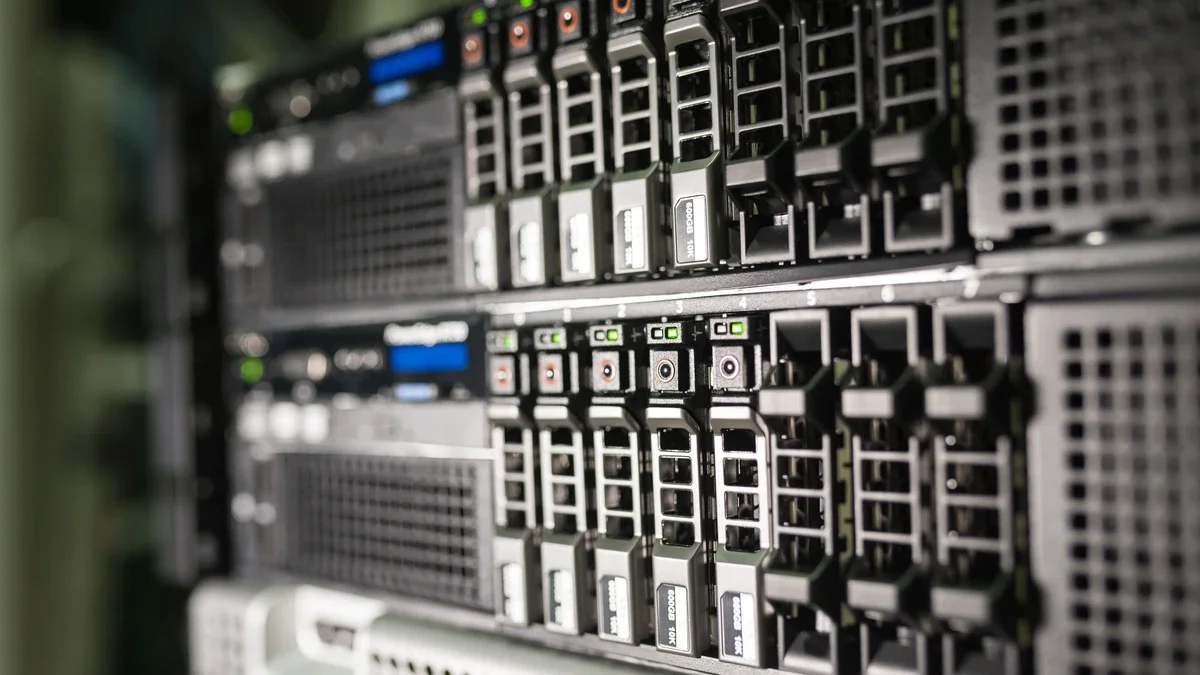
panumas nikhomkhai / Pexels
In a colossal and unprecedented budget expansion that redefines the physical dimensions of the global race to develop artificial general intelligence, language algorithm developer OpenAI has officially raised its projected investments and spending on physical computing infrastructure and cloud services to the historic figure of seven hundred and fifty billion dollars by the year two thousand and thirty.
Project Camellia and the Company's Strategic Shift
The most striking pillar of the company's new investment directive is the official launch of its first independently managed mega datacenter, internally codenamed Project Camellia. The facility will be located in Effingham County, Georgia, United States. The construction plan for the computing campus includes an initial investment of twenty billion dollars.
The consolidated cost estimate for the entire physical implementation of the complex is expected to exceed thirty billion dollars after all structural phases are completed. The datacenter complex will occupy a massive site of one thousand four hundred acres. Direct operation of the plant represents a strategic shift in the organization's business model.
Historically, the developer relied almost entirely on third-party physical infrastructure and integrated servers provided by its business partner and cloud investor Microsoft. With the start of Project Camellia, the company will directly and proprietarily oversee the physical engineering architecture of the buildings, installation of server racks, and direct purchase of electricity for the campus.
Large-Scale Power Supply and Financial Strains
The grandeur of the data processing campus is reflected in the need for continuous high-voltage power supply. The complex has a signed agreement for the distribution of three point two gigawatts of electricity with the local utility Georgia Power. The delivery and activation of electrical loads will occur in a phased and gradual manner across scheduled phases between the years two thousand twenty-eight and two thousand thirty-two.
However, the astronomical escalation of investments in fixed capital assets (Capex) has exposed strategic divergences within the company's top executive ranks. The plan has sparked rigorous internal financial debates between CEO Sam Altman, who aggressively advocates for advancing hardware purchases, and the recently appointed Chief Financial Officer (CFO) Sarah Friar. The CFO warns about the risks associated with corporate debt and dilution of the ownership structure ahead of the company's initial public offering (IPO).
High-Speed Network Switches and Stable Backplanes in Datacenters
The internal interconnection of thousands of racks of graphics accelerators in a campus with a capacity of three point two gigawatts requires stable backplanes and fast optical network switches to manage data network latency. The fast traffic of these analytical networks in datacenters depends on controller processors and optical network switches designed by specialized physical network designers, such as semiconductor manufacturer Broadcom. The lowering costs of local optical switches optimize the hubs and reduce the electrical consumption of partner companies' computers in the IT market.
The consolidation of this massive data processing ecosystem will guide the launch of the research company's next algorithms. The unprecedented scale of hardware will shape the new directions of the global technology and services market over the next ten years.
This content was created and reviewed by our team (iatoskill.com), if you find any issues, please reach out to us