Startup Meng Xiaoyi Launches AI Collar That 'Translates' Pet Barks
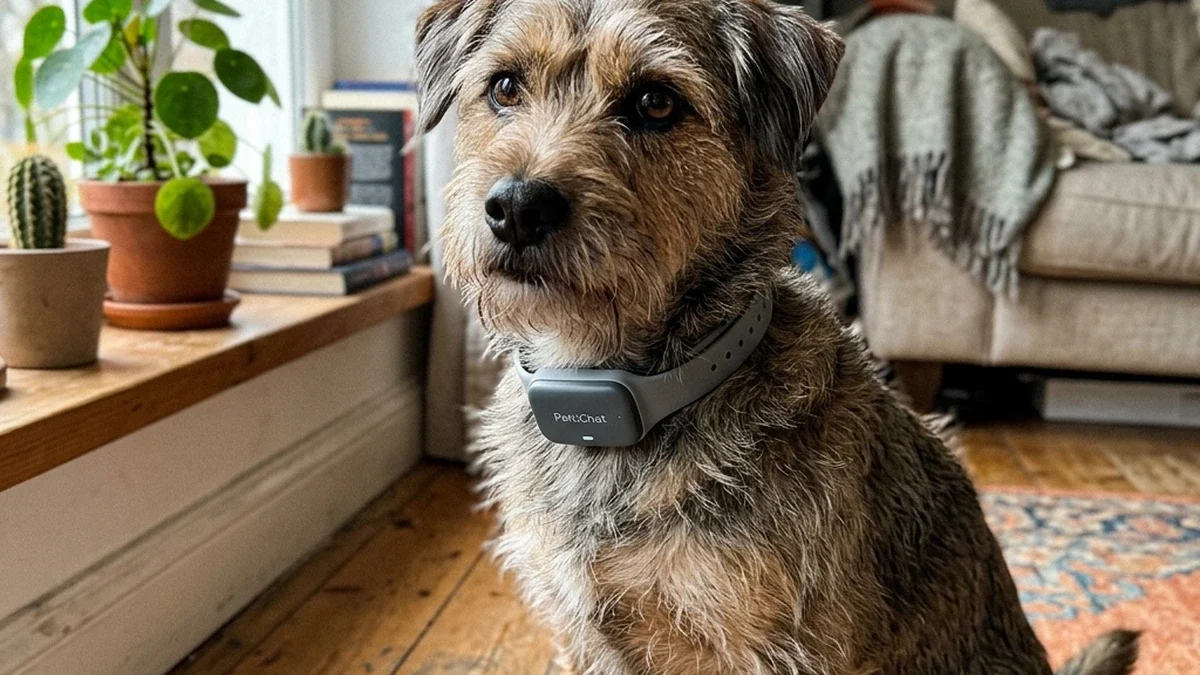
The Chinese startup Meng Xiaoyi, based in Hangzhou, officially revealed the PettiChat on Sunday, May 24, 2026 (UTC). This approximately 27-gram smart collar is designed to translate animal behavior. The waterproof wearable device utilizes advanced sensors and machine learning algorithms to decode barks and meows into complete human-readable sentences. According to market reports, the product has already reached an impressive 10,000 global pre-orders during its initial launch phase in Asia.
Refined Hardware and Cloud Processing
To make two-way communication a reality, the wearable integrates high-sensitivity microphones and three-dimensional motion sensors that monitor animals' body language. The artificial intelligence behind the product was trained with a database of over 1 million samples collected from real animal vocalizations and footage in different stress and leisure contexts. In practice, the collar sends information in a hybrid manner for local processing and to Alibaba Cloud's infrastructure, using the Qwen language model to construct natural grammatical responses. This processing flow results in a response generated in just 1.2 seconds directly on the owner's mobile app, with a battery supporting over 1,000 translations per 1-hour quick charge.
The manufacturer claims to have achieved an accuracy rate ranging from 94.6% to 95% in classifying up to 20 distinct canine and feline emotions and behaviors. However, experts express some skepticism as there are no academic studies or independent audit reports published to validate the equipment's practical capabilities. The initiative resembles past attempts to explore pet-tech, such as the Korean device Petpuls and the popular app MeowTalk. The Chinese differentiator, however, lies in the direct use of large commercial language models to give animals a voice, generating complex humanized phrases instead of just classifying basic feelings on a cold screen.
Market Potential and Biological Challenges
The innovative device, sold for between $118 and $150 in the pre-sale phase, has caught the attention of international consumer goods investors. According to reports from outlets like Dexerto and India Today, the expectation is that the device will help improve training techniques and provide early diagnostics of health issues through continuous monitoring of the pet's sleep and activities. However, industry engineers warn that the individual biological variability of each breed and the noise of urban domestic environments pose real barriers to the accessory's long-term effectiveness.
Meanwhile, the startup is preparing its internal logistics to handle the high initial demand of global e-commerce. The first physical batches of the product are officially scheduled for delivery starting in June 2026, focusing initially on buyers in Asian and North American markets. Market analysts predict that the sales success of this collar will encourage giants in the smart home utilities sector to launch similar integrations to power automatic feeders and home monitoring cameras, consolidating the use of large AI models in the ecosystem of pet care.
This content was created and reviewed by our team (iatoskill.com), if you find any issues, please reach out to us