White House Seals Deal with Anthropic for AI Use at NSA

The United States government and artificial intelligence startup Anthropic are finalizing a national security agreement this Saturday, May 23, 2026 (UTC), in Washington. This classified partnership will allow the National Security Agency (NSA) and other US intelligence agencies to utilize the company's most powerful proprietary language models in covert internal operations. To support this new military and state processing load, the White House also approved a confidential budget of $9 billion exclusively for the immediate acquisition of next-generation NVIDIA Blackwell processors.
The End of the Ethical Impasse and Military Advancement
The consolidation of this military alliance follows a prolonged period of regulatory and ideological clashes between the tech startup and the US military apparatus. Since February 2026, Anthropic has been in a quiet yet direct conflict with the Pentagon over rejecting generic contractual terms that would permit any legal use of its tools, fearing applications in mass domestic surveillance or autonomous weapons driven by AI decisions. The outcome of this resistance was severe. In March 2026, the Department of Defense categorized the developer as a potential risk to the government supply chain, blocking partnerships with the Army and freezing secondary investments. However, the strategic need for refined cognitive processing in the intelligence community prevailed in the current technological race context.
Behind this lies the enormous interest of federal agencies in a specific model kept under strict commercial secrecy. According to reports published by TechCrunch, NSA analysts seek unrestricted access to the Mythos model, an ultra-specialized variant never released to the general public or conventional commercial clients. This system was specifically trained to identify critical software vulnerabilities in operating systems and conduct advanced offensive cybersecurity operations. The startup has severely restricted the distribution of this model to select governments and strategic high-security banking institutions, but the new federal agreement foresees a deep and controlled integration.
Robust Infrastructure and Pioneering Regulation
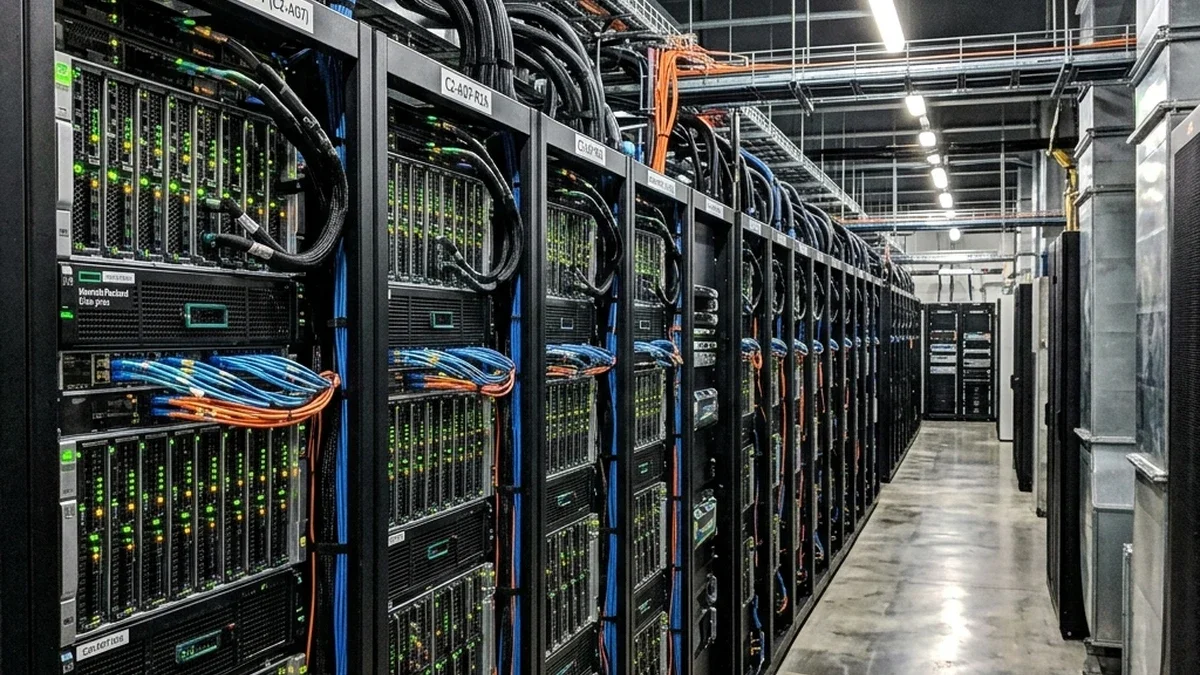
In practice, the physical infrastructure to support systems with this degree of military autonomy requires substantial investments. The $9 billion approved by the US administration will cover the lack of computational capacity of the government’s isolated and confidential network servers, which face significant physical restrictions to run massive models without connecting to the commercial internet. The NVIDIA Blackwell chips require data centers with integrated high-tech liquid cooling and massive dedicated electricity supply. The billion-dollar acquisition represents a significant structural shift in espionage, showing that the government has decided to migrate from custom internal models to direct adaptation of the largest private tools available on the market.
Meanwhile, federal negotiators are attempting to alleviate social and legislative concerns with new privacy rules included in the final contract draft. According to exclusive information obtained by The Information, the document contains explicit clauses that strictly prohibit the application of intelligent models on data obtained from American citizens. This limitation creates an unprecedented technical precedent for future government technology acquisitions and establishes the first real regulatory brake imposed on a frontier laboratory in defense contracts. If the agreement is confirmed in the coming weeks, sector regulation will require explicit safeguards of sovereignty and individual rights across all national security spheres.
This content was created and reviewed by our team (iatoskill.com), if you find any issues, please reach out to us