Google's New AI Automatically Identifies Animals in Photos
Google Unveils AI That Recognizes Animals in Nature Photos
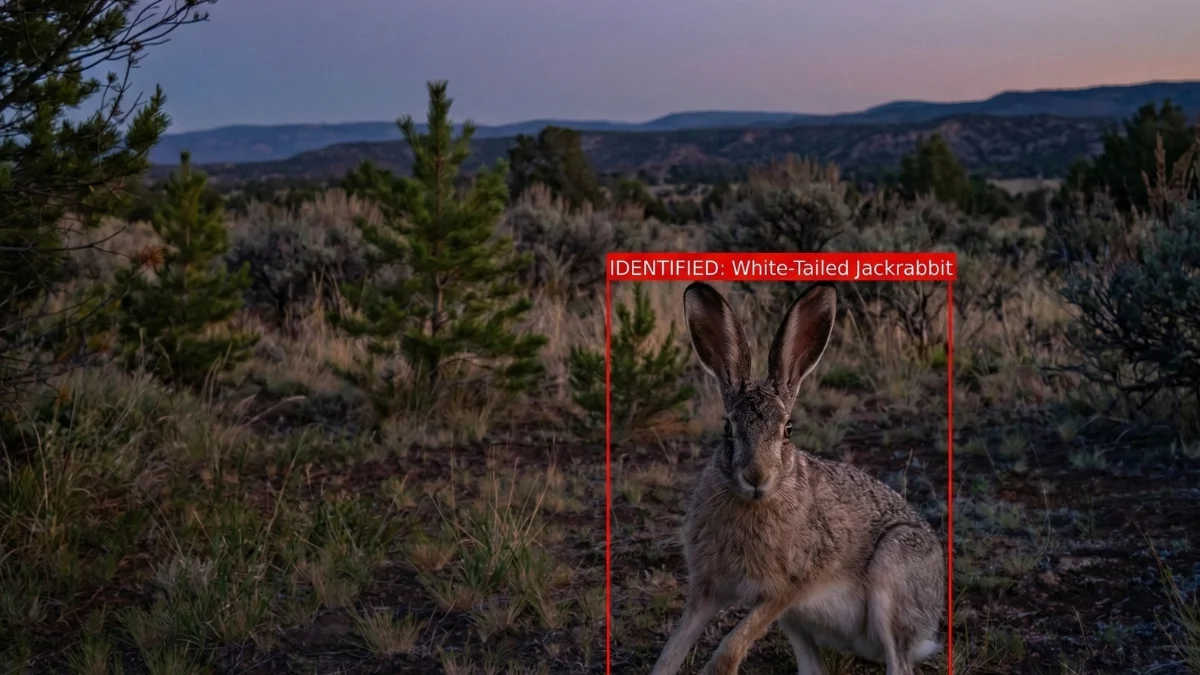
Google has publicly released SpeciesNet, an artificial intelligence model capable of automatically identifying animals in images captured by environmental monitoring cameras. The technology is available as open source and can be used for free by researchers, developers, and environmental organizations worldwide.
The tool was announced as part of Google's AI initiatives focused on biodiversity and conservation. According to the company, the model was trained with over 65 million wildlife images collected over the years from scientific projects and environmental databases.
Problem the AI Aims to Solve
For decades, researchers have used camera traps, automatic cameras installed in forests and parks to capture animals without human interference. The challenge is the sheer volume of data generated.
In some projects, these cameras produce millions of photos per year, most of which need to be manually analyzed to identify species. This process can take weeks or months.
SpeciesNet automates much of this analysis, first detecting if there is an animal in the image and then attempting to classify which species appears in the photo.
How Many Animals Can the AI Recognize?
According to documentation released by Google, the model can classify images into over 2,000 categories, including:
- Specific animal species
- Groups of similar species
- Presence of people or vehicles in images
This means it doesn't literally identify every animal on the planet; instead, the model was trained to recognize more common species found in research databases, especially mammals, birds, and some other vertebrates captured by field cameras.
Even so, the range is considered broad for biodiversity studies.
What About SpeciesNet's Accuracy?
Google claims the model was trained using 65 million labeled images from various scientific environmental monitoring projects.
This data volume helps improve the AI's accuracy, but actual performance may vary depending on factors like lighting, animal position, and camera quality.
Generally, models of this type can correctly identify the species in most cases where the animal appears clearly in the image. However, blurred photos, partially hidden animals, or rare species may still result in incorrect classifications.
Therefore, researchers often use the AI as an initial filter, manually reviewing the results afterward.
Technology Already Used by Researchers
SpeciesNet is not entirely new; it derives from technology used since 2019 on the Wildlife Insights platform, an initiative that aggregates conservation data and wildlife image analysis.
According to Google, thousands of researchers and environmental organizations have already used versions of the technology to study animal populations and monitor ecosystems in various countries.
By publicly releasing the model, the company hopes developers can adapt it for new scientific projects or environmental applications.
Where to Download and Test SpeciesNet
The model has been published on GitHub and can be downloaded for free. The repository includes code, documentation, and usage examples for integrating the AI into image analysis systems. Official GitHub Project
Developers can run the model locally or integrate it into research platforms working with large volumes of photos captured by field sensors.
With open-source code, Google also hopes the community will contribute improvements to the model and expand the number of species the AI can identify in the future.
This content was created and reviewed by our team (iatoskill.com), if you find any issues, please reach out to us