Sam Altman Admits Pentagon Deal Was 'Rushed and Poorly Executed'
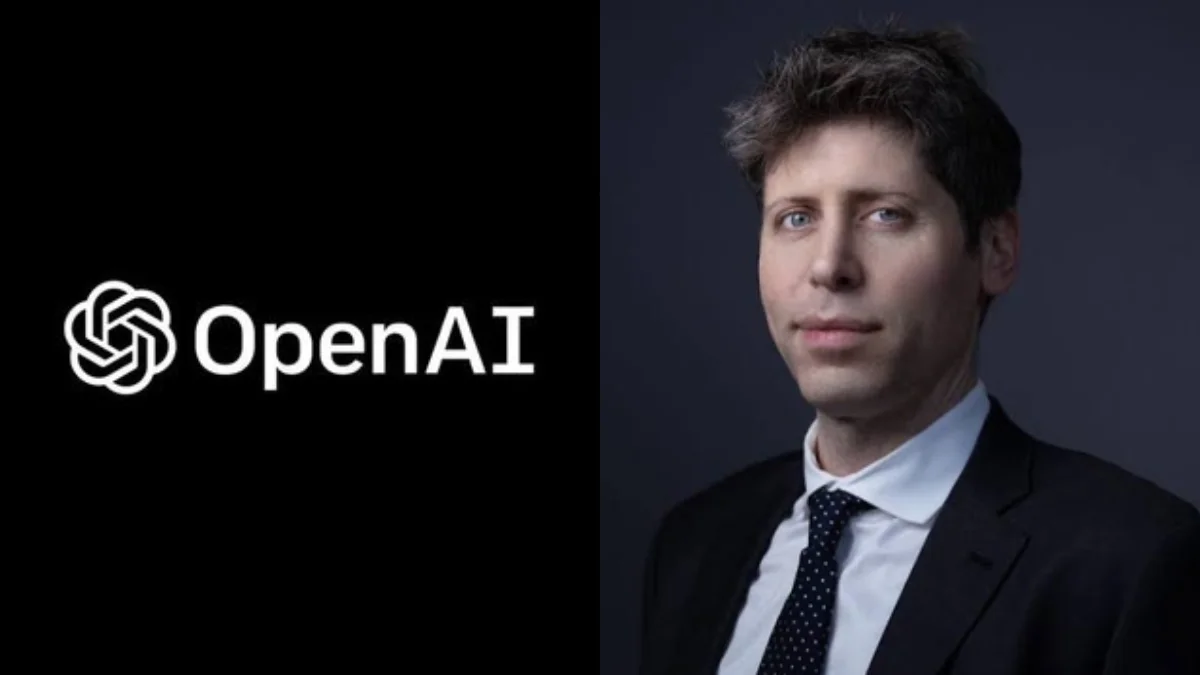
Sam Altman, CEO of OpenAI, admitted over the weekend in a post on the X network that the way the company announced a deal with the United States Department of Defense (Pentagon) was "opportunistic and poorly executed," following strong negative reactions from users in the U.S. The acknowledgment came days after the partnership was revealed to provide AI technology to the American government, quickly gaining traction in the tech sector.
The public statement can be viewed directly on Altman's social media profile: Tweet.
The statement comes amid a tangible movement of rejection towards the ChatGPT app. Data from the analytics firm Sensor Tower indicates that app uninstalls in the United States surged 295% in a single day following the news of the deal. Moreover, one-star reviews skyrocketed by 775% on Saturday, while five-star reviews dropped by about 50%, according to reports from outlets like Business Insider and Invezz.
Immediate Reaction in the App and Social Networks
The reaction wasn't limited to app stores. Campaigns with hashtags like "Cancel ChatGPT" and "QuitGPT" circulated on X and Reddit, with many users reporting subscription cancellations. The impact was evident in three key areas:
- +295% in ChatGPT uninstalls in one day (U.S.)
- +775% in one-star reviews on Saturday
- About 50% drop in five-star reviews
Meanwhile, the chatbot Claude, from Anthropic, reached the top of the U.S. App Store among free apps during the same period, according to Business Insider. This suggests a temporary user migration, although there is no consolidated data yet on OpenAI's active user base loss.
What Motivated the Crisis
The agreement involves using OpenAI's technology in projects linked to the Department of Defense, but the company stated there are contractual restrictions to prevent applications in autonomous weapons without human oversight. Following the backlash, Altman indicated that adjustments would be made to clarify limits and reinforce guarantees.
According to Reuters, OpenAI is working on contract amendments to specify that the technology will not be used in domestic surveillance against American citizens. The company is also trying to manage internal discontent, as part of the AI community criticizes the move towards military applications.
The incident occurs amid regulatory pressure and a geopolitical race for leadership in artificial intelligence. It seems OpenAI now needs to balance strategic government contracts with the trust of its user base, a crucial asset that, as recent figures show, can react in a matter of hours.
This content was created and reviewed by our team (iatoskill.com), if you find any issues, please reach out to us